











Back
Design & New Build
CHOOSING THE RIGHT SHIPYARD
Because building a yacht is about more than building a yacht.
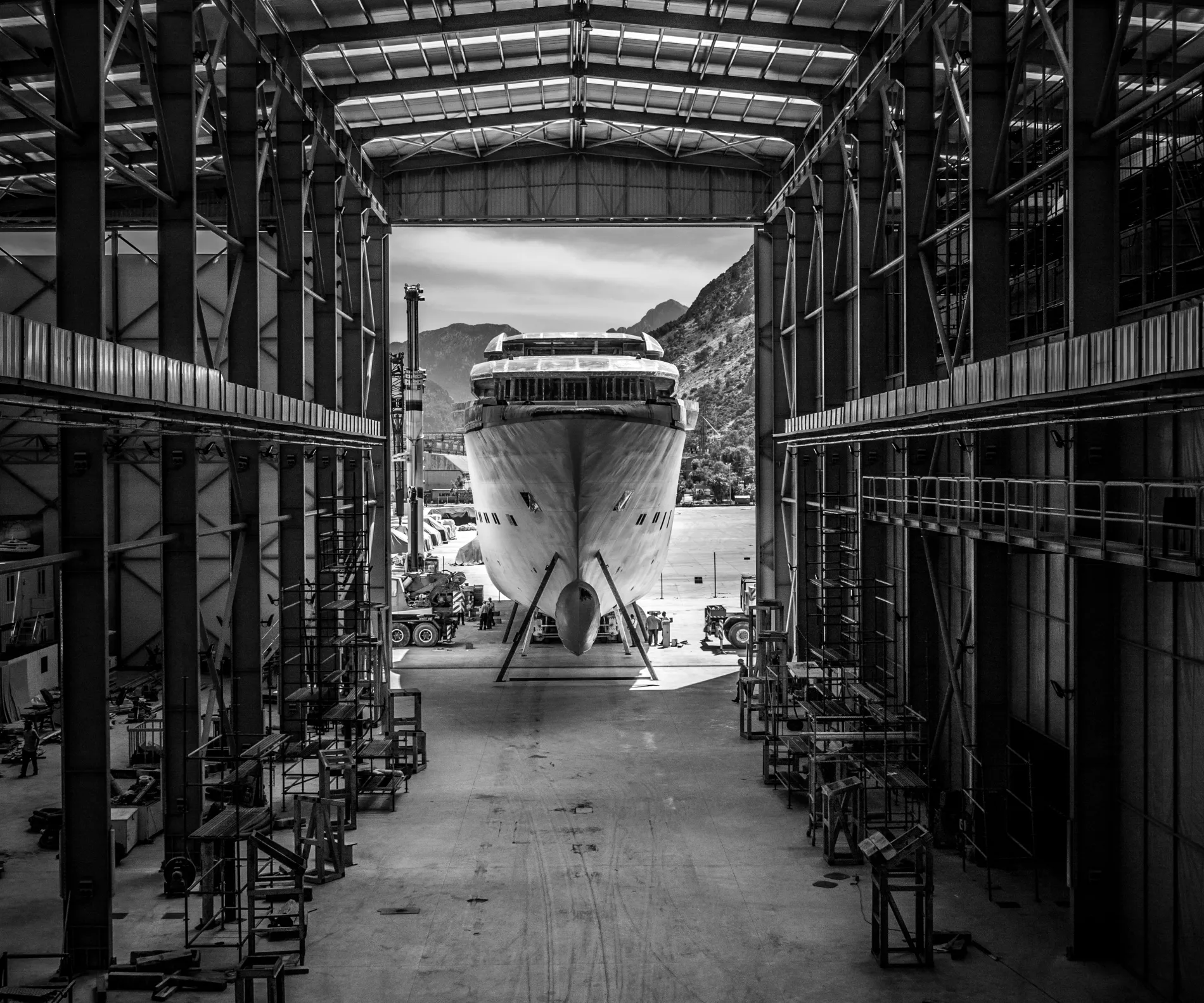
There is no “best” shipyard. There is the right shipyard for your yacht.
Ask ten people in yachting to name the world’s best shipyard and you may receive ten different answers. For anyone planning a new build, the more useful question is which yard is best equipped to deliver the yacht being proposed.
“People often ask me which shipyard is best,” says Francesca Ragnetti, New Build Sales Manager at Camper & Nicholsons. “My first question is always, best for what? The answer changes with the yacht, the programme and the person behind it.
“Choosing the right shipyard is much like commissioning a bespoke suit. Exceptional craftsmanship is essential, but so is the ability to understand the person who will wear it.”
Shipyard selection should begin with the project itself. Size and construction material will narrow the field immediately, while technical complexity and intended cruising programme will narrow it further. A highly customised 80-metre explorer presents a very different proposition from a 45-metre yacht based on an established platform. The objective is not to rank shipyards, but to establish which are equipped to deliver the project well.
Reputation only tells you so much
A famous name can be reassuring, but historic pedigree should never replace current due diligence. Recent deliveries offer a much more useful picture. Has the yard built yachts of comparable size and complexity? Who led those projects? Are those people still there?
“A shipyard’s reputation tells you what it has done,” says Ragnetti. “We need to understand what it can deliver now, with the team and capacity it has today.”
The current order book deserves equally close scrutiny. A full pipeline may indicate considerable market demand, but it is important to understand where a new project will sit within that programme and whether the proposed delivery date is credible. “You need to know whether a yard can build the yacht, but also when it can give the project the attention it requires,” says Ragnetti.
A yard visit can reveal far more than a finished yacht or presentation ever will. Workmanship can be inspected while construction is under way, while meetings with the project team give an indication of how decisions are made and problems resolved.
“A yard visit should tell you more than whether you like the finish,” says Ragnetti. “You are also looking at the people who will make decisions on your project and how they deal with problems.”
Compare proposals, not headline prices
Similar headline figures can conceal very different propositions. Specifications, exclusions and allowances all need to be examined alongside the contract to understand what is actually being offered and where additional expenditure may arise.
“Two shipyards can quote a similar price for two very different propositions,” says Ragnetti. “The specification, the contract and the way changes are managed tell you far more than the headline figure.”
Change-order procedures deserve particular attention, especially on projects likely to evolve during construction. Delivery provisions are equally important. It is essential to understand how delays are treated, how modifications are approved and priced, and where responsibility sits when a problem arises.
“The cheapest proposal at contract stage is not necessarily the least expensive yacht to build,” says Ragnetti. “The detail sits in what is included, what is excluded and what happens when the project changes.”
Geography is only part of the picture
Italy, Northern Europe and Türkiye each have distinct areas of expertise. Italy offers exceptional depth in production and semi-custom construction, alongside a number of highly capable custom yards, and remains closely associated with design-led projects and extensive personalisation. Northern Europe continues to dominate the upper end of technically complex, fully custom construction, particularly for larger yachts and projects with demanding engineering requirements. Türkiye has developed rapidly, with a growing number of yards combining competitive build costs with greater flexibility and increasingly sophisticated technical capability. Capabilities still vary considerably from yard to yard, but understanding where each region tends to excel is an important part of narrowing the field.
Thinking beyond delivery
The choice of shipyard continues to have consequences after handover. Warranty support and access to technical assistance should be assessed before the contract is signed, particularly for yachts expected to cruise far from the yard that built them.
Future value also belongs in the discussion from the beginning. Shipyard reputation and market appetite can influence how a yacht is viewed when it eventually returns to the brokerage market. Highly individual decisions may still be entirely right for the project, but their commercial implications should be understood.
“Resale starts much earlier than most people think,” says Ragnetti. “The choice of shipyard and the degree of customisation can influence how the yacht will be viewed years after delivery.”
“Our role is to help clients assess every opportunity objectively, weighing lifestyle, budget, technical requirements, delivery timing, resale potential and long-term ownership goals against the demands of the project.”Just as important is having the right team alongside you, one that can coordinate the many stakeholders involved, challenge decisions where necessary and safeguard your interests from the first sketch through to delivery.
The right shipyard needs to be more than technically capable. It needs to be a team you can work with closely throughout a build that may last several years.
Discover similar articles from the world of Camper & Nicholsons
Read More
-
Design & New Build
Camper & Nicholsons Design Studio Reveals Debut 62-Metre Concept
-
Design & New Build
Camper & Nicholsons to oversee construction of the first Antonini Navi XPD95